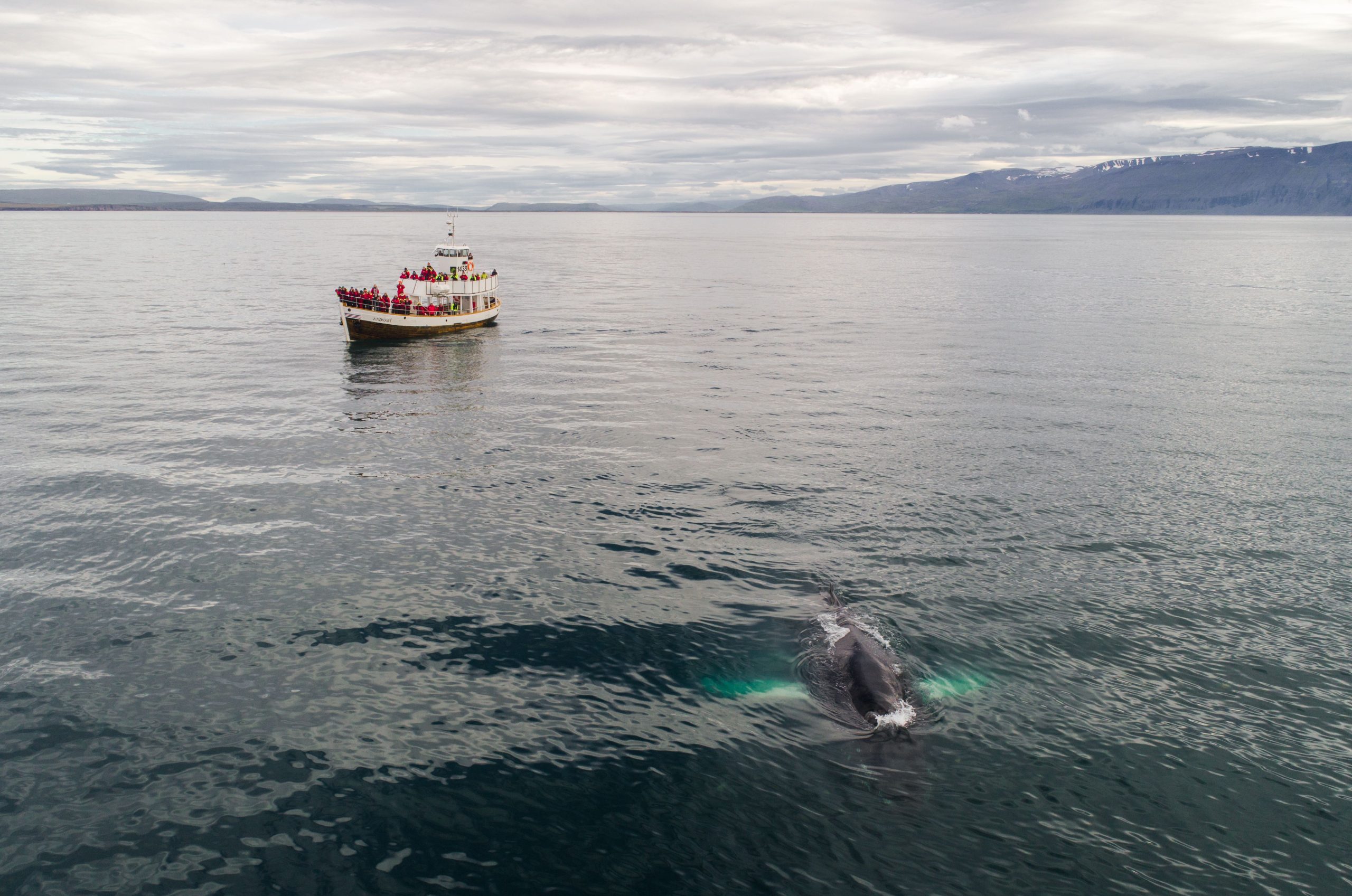
A good tour guide does more than point out a whale or lead the way along a trail. They read the weather, watch the group, explain what you are seeing, adjust the pace, and make dozens of small decisions that most guests never notice.
That is why a generic “thanks” at the end of the trip can feel a little thin. The most meaningful appreciation is usually specific, useful, and easy for the guide to receive. You do not need an expensive present. You need to show that you noticed the work behind the experience.
Start with the detail only your guide could have created
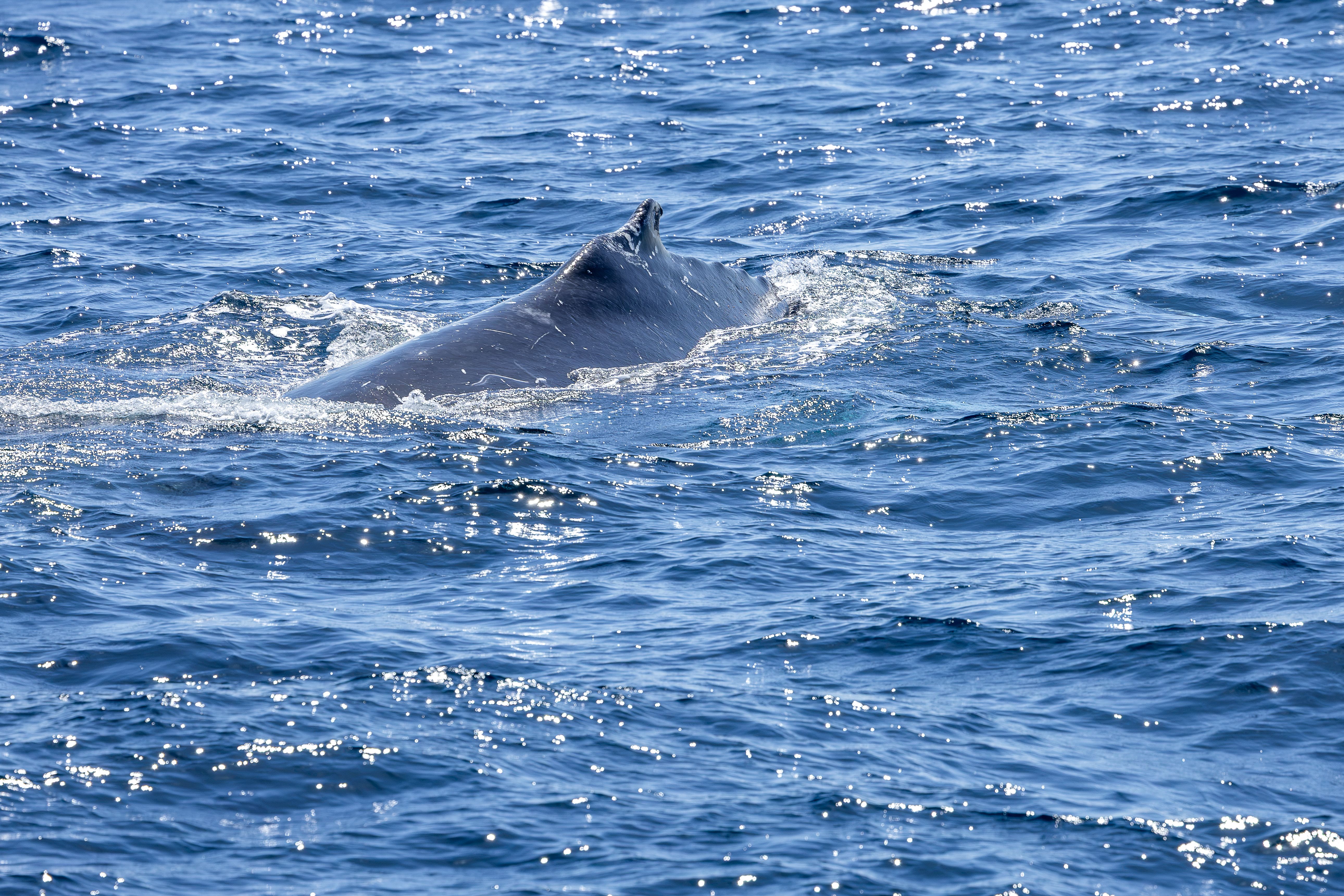
The strongest thank-you message names a moment. Perhaps the guide explained why a whale surfaced where it did, helped a nervous passenger settle in, identified a bird everyone else missed, or changed the route when the weather shifted.
Try a sentence such as: “Thank you for explaining the difference between the whale’s behaviors instead of simply telling us what to look at. It made the whole sighting more memorable.” That is far more valuable than “Great tour,” because it tells the guide which part of their work landed.
If you want to make the message look polished, you can use a thank you card design as a starting point and then rewrite the wording in your own voice. A short handwritten note inside it will feel more personal than a long, polished paragraph that sounds copied from a template.
Five creative ways to say thank you after the trip
1. Write a review that rewards the invisible work
A public review is not just a compliment; it can help future guests choose a responsible operator and help a guide receive recognition from a manager. Mention the guide by name if you are sure you have the spelling right, then describe one or two concrete actions.
For a whale-watching trip, you might mention clear safety instructions, patience while waiting for wildlife, or the way the guide protected the animals’ space. For a hike, mention route knowledge, thoughtful pacing, accurate trail information, or how the guide made the group feel included.
Do not promise a sighting that no guide can control. A thoughtful review can praise good judgment even when wildlife stays hidden or the weather changes the plan. That distinction matters: guides manage the experience, but they do not command the ocean or the mountain.
2. Send a photo with permission to use it
Choose one image that captures the experience and send it to the company or guide with a simple note: “I thought you might enjoy this one from today. You are welcome to use it if it is helpful.”
Do not assume every photograph is suitable for marketing. Check before posting a recognizable guide or other guests, and avoid sharing a precise wildlife location if doing so could encourage crowding. The gift is the image and the choice to offer it, not an expectation that it will appear on a website.
3. Give a small, practical gift
If gifts are appropriate for the operator and local custom, keep the item modest and useful. A good pocket notebook, quality tea or coffee, a snack from a local producer, or a durable pair of wool socks may be more welcome than a decorative souvenir that has to be stored somewhere.
Food deserves a little care. Ask about allergies and dietary restrictions rather than handing over homemade treats without checking. Alcohol is also a poor default: some people do not drink, and a guide may be working a long shift or driving afterward.
The best small gift often connects to the guide’s actual work. A note tucked into a field notebook is thoughtful. A bulky “adventure” ornament is less so.
4. Tip when it fits the operator’s policy and your budget
A tip can be an appropriate way to recognize personal service, but it should not replace a sincere message. Check the company’s policy first, particularly if the booking already includes a service charge or if you joined a group excursion with a shared gratuity system.
There is no need to turn appreciation into a performance. Give what you can comfortably afford, and remember that a guide should never have to guess whether a positive review was conditional on receiving extra money. A clear note plus a fair tip, where customary, is a strong combination.
5. Recommend the guide to the right person
Think beyond social media. If a friend is planning a similar trip, send them the guide’s name and explain what made the experience good. If your hotel, campground, visitor centre, or workplace keeps local recommendations, share the operator there too.
A recommendation works best when it is precise: “Ask for this guide if you want patient explanations about coastal wildlife,” or “This guide is excellent with mixed-ability hiking groups.” You are not merely saying the trip was fun; you are helping the next guest find the kind of experience they actually want.
The thank-you can begin before you leave the dock or trailhead
Guides notice considerate guests. Arriving prepared, following instructions, asking questions at sensible times, and staying aware of the group’s pace reduce the amount of invisible problem-solving the guide has to do.
On a whale-watching trip, responsible behavior is especially important. NOAA Fisheries’ marine-life viewing guidelines advise keeping a safe distance from whales and note that rules can vary by species and location. Do not pressure a captain or guide to get closer for a better photograph; respecting the distance is a direct way to support their professional judgment.
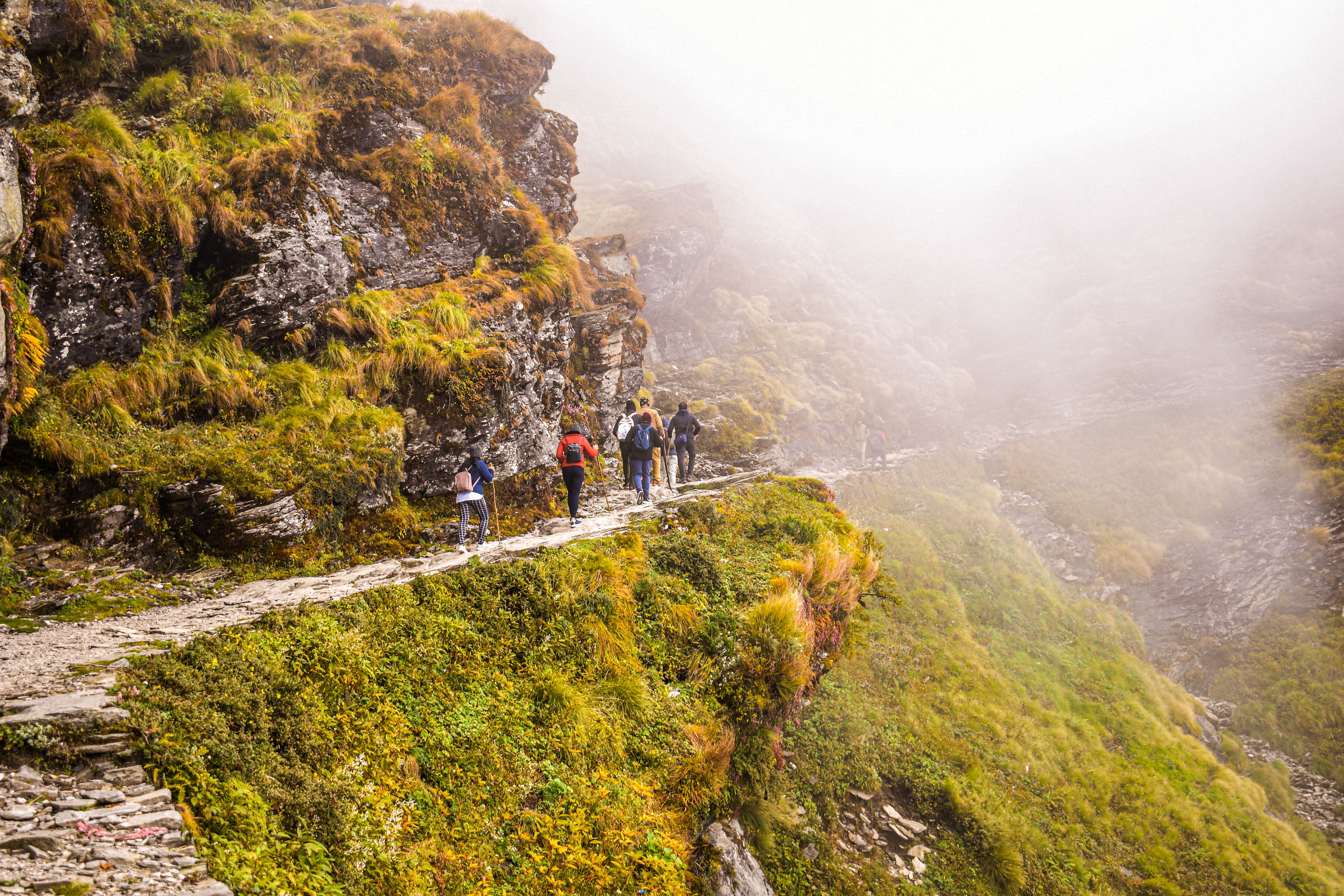
On land, stay on the route your guide identifies, pack out what you bring in, and leave natural objects where you find them. The Leave No Trace seven principles include traveling on durable surfaces, disposing of waste properly, respecting wildlife, and being considerate of other visitors. In practical terms, your guide should not have to repair the damage caused by the group they just led.
Make the appreciation useful to the next group
Ask one quiet question before you go: “Is there anything that would be helpful for me to share in my review?” The answer may be a booking detail, a note about accessibility, or a reminder that guests should bring a particular layer or type of footwear. You are giving the guide a chance to identify information future visitors often miss.
You can also write a short message to the company’s owner or operations manager. A public review reaches travelers; a private note to management reaches the person who may schedule guides, award bonuses, or decide whose work gets highlighted internally. Include the guide’s name, the date of the trip, and the specific behavior you appreciated.
Keep criticism separate from gratitude. If the trip had a genuine problem, report it honestly through the appropriate channel rather than disguising a complaint as a review. Clear feedback can help a guide or operator improve, but it should not be used to bargain for special treatment.

A simple thank-you formula that does not sound generic
Use this three-part structure:
- Name the moment: identify the explanation, decision, or act of care you remember.
- Explain the effect: say how it changed your understanding, comfort, confidence, or enjoyment.
- Offer useful support: leave a review, recommend the guide, share a photo with permission, or give a small gift if appropriate.
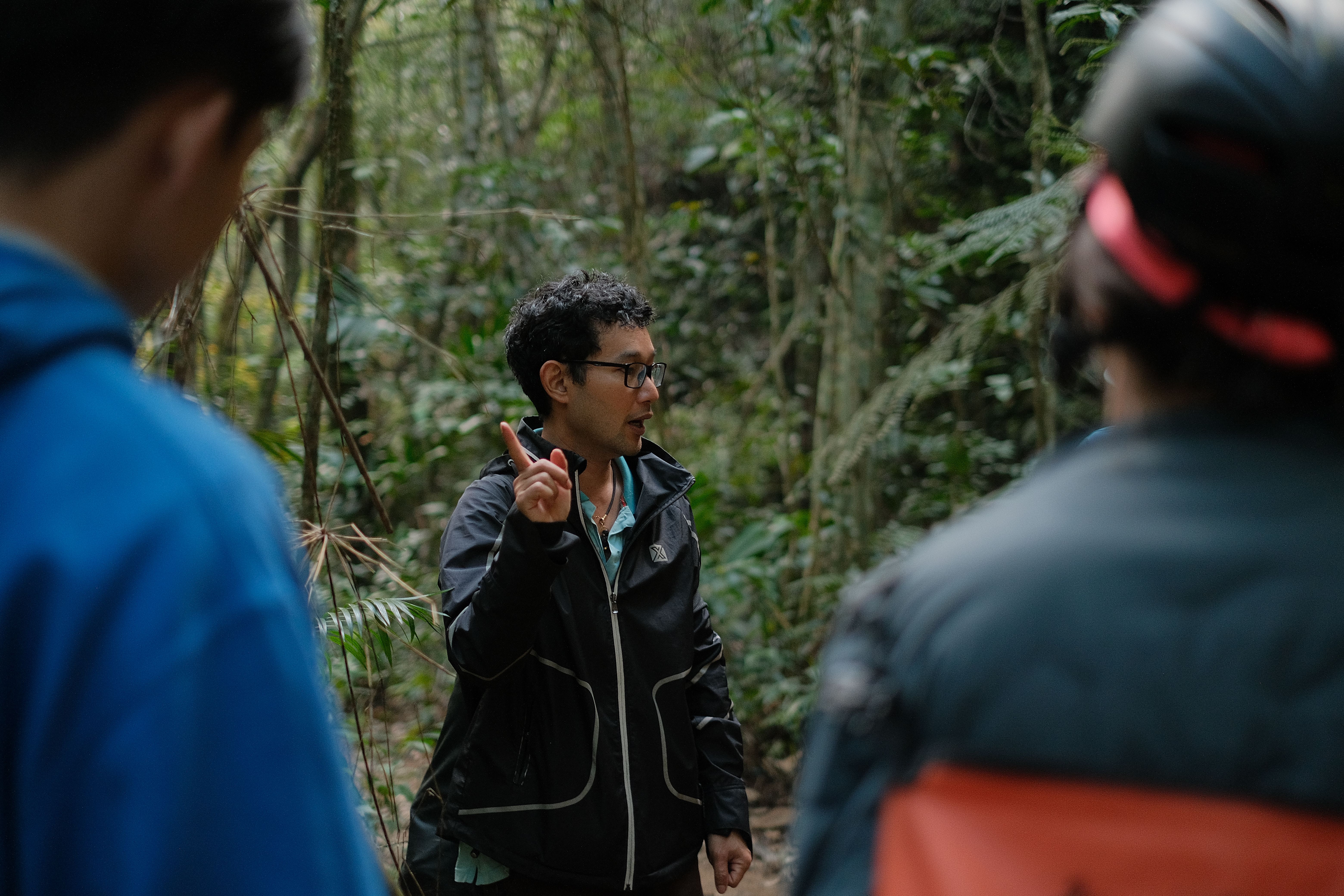
For example: “Thank you for slowing the group down when the trail became slippery and explaining what to look for in the forest. I felt safer, and I learned much more than I would have walking through on my own. I have mentioned that in my review.”
That formula works because it is about the guide’s contribution, not the price of the gift. It also avoids the awkwardness of trying to find a grand gesture after a day that was already full of small ones.
Leave the guide with a reason to remember your group
A guide may lead dozens of trips in a season. The guests who stand out are not necessarily the ones who spend the most. They are the ones who listened, treated the place with care, and later remembered a particular piece of work.
So choose one gesture and make it personal: a note that names the moment, a review that gives credit, a useful recommendation, or a modest gift that does not create another problem to solve. The most convincing thank-you is not grand. It tells the guide, plainly and specifically, that their attention changed the day for someone.